I’m often asked for recommendations for allergy-safe or hypoallergenic cosmetics. Many refer to ‘allergen free’ skincare but in practice little can be truly allergen free, given that almost all ingredients used in toiletries can — at least in theory, if not in practice — cause allergic or irritant reactions.
But if you are experiencing a lot of skin sensitivities and are unable to pinpoint the reason, or are perhaps due for patch testing with your dermatologist, but want to minimise exposure to possible allergens in the meantime, there are some cosmetics which are very unlikely to aggravate or cause problems. Trying an ‘elimination’ skincare regime, using only products with extremely simple, fragrance free formulations, might ease skin troubles, though there are no guarantees.
Such products are not always easy to find, though, and brand claims can’t always be relied upon. An American study from autumn 2017 found that almost half of so-called ‘fragrance free’ moisturisers contained either fragrance allergens or botanical ingredients with the potential to cause reactions in those with fragrance allergies, while 5 out of every 6 ‘hypoallergenic’ products contained at least one potential allergen, as defined by the North American Contact Dermatitis Group. The excellent brand Vanicream was singled out as being the closest to a truly allergen-free brand; its manufacturers, PSICO, also produce the Free & Clear range of low-allergen cosmetics (mainly for hair), and both are worth exploring.
For those who prefer ‘natural’ ingredients, those to look out for are olive oil, palm oil, argan oil, shea butter, cocoa butter and other plain, natural oils, butters and waxes. Mineral oil or petroleum jelly, while not popular with green cosmetic lovers, are usually safe too — with Vaseline pure petroleum jelly mentioned by the study’s American researchers as an allergen-free product.
Here are some further suggestions. Asterisk denotes an affiliated link.
Moisturisers
Pure scent-free oils are perhaps the best option, as they should be essentially preservative free.
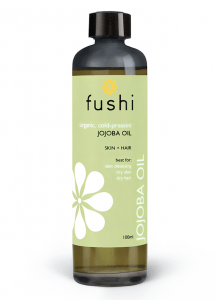 For the face, you may only need a few drops daily, so although some can be expensive, they will last. Pai Rosehip BioRegenerate Oil (click here for US*, and click here for UK) and Fushi’s Golden Organic Jojoba Oil are both beautiful oils to try.
Face oils can generally be used anywhere on the body, and many body oils are suitable for the face, but dedicated options including Balm Balm’s Fragrance Free Body Oil in the UK, and in the US, California Baby Oil might be worth a try, which is just canola, linseed and evening primrose.
Pure shea butter — widely available — is about as close to allergy free as you can get. (Although shea is defined as a tree nut in US allergen legislation, there is only one reaction to shea butter on record.) If you find it too hard, whipped shea butter is a little softer, but melt between fingers before applying. It may not suit the face, but works well on the body.
For blends, in the UK you could try the multi award-winning brand of Lyonsleaf products — they have several fragrance-free balms. In the US, S W Basics products contain 5 ingredients or fewer, and their Basics Cream is just a blend of three — coconut, shea and olive.
If you want a traditional ‘cream’ cream and don’t mind a ‘non natural’ product, Vanicream Moisturising Skin Cream contains only water, petroleum, silicones, stearates and a few other non-reactive ingredients.
 Soaps
Soaps
Simple, unfragranced, uncolored soaps are what to aim for, preferably made from just one oil source. Although goat’s milk and oats are common in ‘hypoallergenic’ soaps, these can be triggers for some.
The easiest pure soaps to acquire seem to be olive oil soaps. Both Kiss My Face Pure Olive Oil Soap, and Oliva Pure Olive Oil Soap in this US* — both available very affordably from Amazon and Holland and Barrett in the UK — are just saponified olive oil, water, and salt. There are many others.
Cleansers
Many pure oils can be used as cleansing oils to remove make-up. Castor oil is regarded for its cleansing properties, but look for any unfragranced pure oil blend.
Gel or water-based cleansers are trickier, because even unfragranced ones will contain potentially allergenic preservatives and other ingredients. You could try Free & Clear Liquid Cleanser*, which combines a few natural ingredients such as glycerin with other non-reactive synthetic ingredients.
 Vanicream, again, have both a Gentle Facial Cleanser and a Gentle Body Wash.
An overall former champion of the Free From Skincare Awards — Harborist’s Balm-Gel Cleanser — is an excellent performer.
Two other allergy-safe products worth considering:
Konjac Sponge Company’s Eye Cleansing Pads, which are made without using any additive, colorants or irritants, and are ideal for sensitive eyes.
And finally, WaterWipes. Ideal for baby, but suitable for all, especially with sensitive skin, for simple cleansing needs. Just water and 0.1% grapefruit seed extract.
Lip Balm
There are few natural, unfragranced and vegan lip balms out there, but one highly performing one is the Benecos Classic Lip Balm, which is a previous champion of the Free From Skincare Award. It’s excellent — a blend of allergy-safe plant waxes, oils and butters, such as shea, olive, carnauba and castor. In the UK, you can order it from Suvarna Natural Beauty — which is home to lots of natural / allergy-safe products — and in the US through Naturitas or Amazon.
Shampoo
Shampoos with simple formulations are hard to come by, and some women with extreme sensitivities resort to simply rinsing regularly with water or using the gentlest of soaps.
Worth trying are hair powders, which are mixed with water by the user, thus avoiding the need for preservatives.
In the UK, Suvarna Organic Beauty is the best supplier of so-called no-poo (i.e. non-shampoo) hair cleansers and powders — they stock Logona LavaErde Rhassoul clay / hectorite cleanser, plus soap nut powder and shikakai powder by It’s Pure Organics. Well worth a look. (Use code ALLERGY15 for 15% off across all Suvarna products.)
 In the US, there seems to be a greater range — search for shikakai powder or soap nut powder on Amazon or other online stockists, but make sure any you try are pure, suitable for cleansing, and with no added fragrance or colouring agents such as henna (unless that’s what you want).
The next step up, and still helpful in avoiding the preservative issue, are shampoo bars.
Some shampoo bars are literally soap bars formulated for hair. They don’t suit everybody, and some don’t like the idea of using soap in their hair. The advantage is that they can serve as an ‘all-in-one’ cleanser for hair and body. In the US, Maple Hill Naturals Shampoo Bar* is essentially an unscented hair soap made of sapnoified plant oils (coconut, castor) plus moisturising oils and butters such as shea and hemp seed. Sappo Hill Shampoo Bar looks an equally simple formulation, with avocado, palm, coconut and castor oils, plus glycerine. In Britain, perhaps try Living Naturally Coconutty Soap Nut Shampoo Bar, with olive oil, soap nut, coconut, rice bran and other non reactive naturals.
The newer shampoo bars are made from synthetic detergents and are soap-free. They typically contain the ingredients ‘sodium cocoyl isethionate’ and/or ‘sodium coco sulfate’. In the US/Canada, perhaps try The Unscented Company’s Shampoo Bar or Liv/Nature’s Unscented Shampoo Bar. In the UK, there’s Green People’s new Scent Free Shampoo Bar, and the KinKind Fragrance Free Shampoo Bar (and Conditioner), which is only three ingredients.
If only a traditional ‘wet’ liquid shampoo will do, then perhaps Free & Clear Shampoo — or Free & Clear Dandruff Shampoo — is your best bet.
Conditioner
You can keep conditioning very straightforward with just coconut oil (suitable for all hair types) or shea butter or a liquid hair oil such as camellia oil or argan oil (which is good for dry hair).
Solid bar conditioners now exist, as with KinKind above, and many of the other manufacturers of shampoo bars have a companion sensitive conditioner bar or can make a recommendation if you enquire.
For an orthodox traditional conditioner, again Free & Clear’s is perhaps the best to try.
Hair Dye
Pure henna dyes, or dyes made from a blend of henna and other non-reactive botanicals such as cassia, beetroot, coffee and indigo, are the safest options, but are sadly the least long-lasting. As you move towards semi-permanent and then permanent hair dyes, the allergens increasingly start to creep in. PPD and TDS, found in most permanent hair dyes, are among the most allergenic ingredients, sometimes dangerously so.
View this article on PPD-free Hair Dye for more information on hair colouring and allergies — in section 1, it has lots of links to natural henna dyes and related options.
Make Up
 Given where most make-up is applied — eyes and lips — it may be better to side-step make up altogether until you’ve resolved or identified any skin or sensitivity issues, especially if they’re on the face.
For lips, the Tinted Lip Balm with Shea Butter by low-salicylate brand Cleure contains only plant butters, beeswax, vitamin E and mineral colour (mica, TiO2), and can impart some colour in place of lipstick. Ere Perez Beetroot Cheek & Lip Tint is all natural and low-allergen — mainly beetroot, blue agave, glycerine, methyl cellulose and a generally ‘safe’ preservative in potassium sorbate. In the UK, you can get it from MyPure.
For loose, pure mineral foundation, consider either Inika or Bare Minerals.
For a hypoallergenic eye liner, perhaps try the 100% Pure Creamy Long Last Liner.
But mascara is very difficult … You may find some suitable suggestions in our Nickel Free Make-Up article.
Shaving Products
First thing to point out is that your choice of razor or shaver could potentially be a problem — nickel metal, a very common allergen, is often in the blades. Learn more from this article on Nickel Free Razors and Shavers.
 For wet shaving, you can adapt using a safe moisturising or cleansing oil as a base, with some safe thick soap on top.
For a dedicated product, in the US, WSP’s Hypoallergenic Rustic Shaving Soap consists of just stearic acid, coconut oil, glycerin and potassium hydroxide. In the UK, Le Pere Lucien Unscented Shaving Soap is mainly stearate, shea butter, coconut derivatives and glycerin.
Shaving gels and creams generally contain water, which means potentially allergenic preservatives are required. Vanicream’s Shaving Cream may be worth trying, but it does contain disodium EDTA as a preservative, which is an occasional allergen.
Baby Products
In the UK, Lyonsleaf Zinc and Calendula Balm is a major winner in the Free From Skincare Awards, and contains just calendula, zinc oxide, babassu oil, beeswax, and borage oil — suitable for skin prone to nappy rash. In the US, Babo Botanicals have a Sensitive Baby Zinc Diaper Rash Cream.
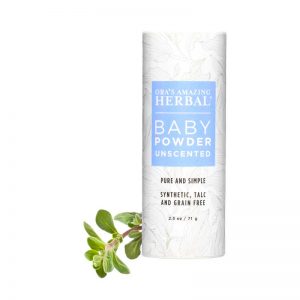 Baby Powder? The US has better fragrance free and talc free options. Little Twig’s Baby Powder is corn starch, kaolin, aloe, bicarb and a few other ingredients. Ora’s Amazing Herbal Unscented Baby Powder is kaolin, bicarb, arrowroot and plantain powders only — even less allergenic. Simply Baby Unscented is just kaolin, arrowroot and tapioca.
In the UK, try Little Violet’s Baby Powder, ensuring you choose the Unscented option. it has tapioca starch, corn starch, Kaolin clay, zinc oxide, aloe vera, and orris root.
And don’t forget those Water Wipes …
Deodorant
Another tricky one, as anything applied to the underarm — a very delicate skin area — risks a reaction. Vanicream have a very simple Deodorant you may like to try, though.
Or try one of the baby powders above as a moisture absorber — and gently rinse or wash pits regularly with water …
Oral Care
For some natural or ‘flavour free’ toothpastes, this article, Salicylate Free Toothpaste, may have some useful suggestions (salicylates are aspirin-like chemicals, present in botanicals, especially mint, which some are sensitive to).
The RiseWell Flavorless Mineral Toothpaste may be worth a trial. In the UK, the TePe Unflavoured Pure Toothpaste is the most allergy-friendly option I can find, but check ingredients.
You may also like to consider a natural tooth powder, such as Uncle Harry’s Unscented Tooth Powder, which is just chalk, salt and mustard seed powder.
Problem Skin
If you do have problem or reactive skin, or skin which is flaring up, a barrier protective product such as plain Vaseline may help with regard to future reactions.
Some swear by Aquaphor Healing Ointment.
SkinSmart Antimicrobial is a hypoallergenic spray, just water and hypochlorous (an antibacterial), which is said to promote healing and soothe skin.
This article was first published in August 2018, and updated in December 2025.
If anyone is allergic to latex, then you have to avoid shea butter, cocoa butter, coconut oil, aloe vera anything as they all contain some form of latex in them. It is very frustrating to do this as most things contain shea butter and coconut oil now along with aloe vera. There is also a list of foods that are latex related (same gene) so you have to test for those too. Hard to eat anything good for you if you are allergic to latex as I have found the list to be long and extensive, tomatoes, potatoes, cucumbers, pumpkins, apples, any pit fruit (like peaches, cherries, etc), plums, the list goes on and on.
So I want to do an organic vitamin that is not made synthetically but most are made with some of the above foods I mentioned plus being allergic to MCI I am also allergic to cobalt which is in B12 so I am screwed.
Sorry to hear this. From what I’ve gathered online, it’s not everybody with latex allergy who has trouble with shea. I’m also struggling to find any published papers on this link. Do you know of any Chris, so I can look into it in greater detail?
People with latex allergy I know can react to foods such as avocados and bananas and sometimes others, but it varies a lot between individuals. The stone fruits (plums etc) are typically more associated with hay fever (i.e. pollen-food syndrome).
I’ve tried looking at the other ingredients – such as coconut – and the links seem to be a bit less clear and disputed. For instance, the AAAAI say there “may be some weak correlation between coconut and latex allergy”.
Thanks so much for including MuLondon in your article, much appreciated! Sending hugs from London.
No worries, Boris!
Do you have a suggestion for hair spray please? It has to be fragrance free.
Free & Clear again? https://www.psico.com/product/free-and-clear-hair-spray/
Otherwise, I’d suggest Googling for hypoallergenic fragrance free hairspray and seeing what comes up. Feel free to run any past me if you have the complete ingredients and I’ll take a look.
Alex.
You may also want to check out the brands “Untoxicated” (created by an allergist) and “Gladskin.” Both have minimal ingredient skin care products. For mascara, try “Root” (rootpretty.com) – has oils and a lot of botanical extracts, but no preservatives. These brands have all helped me cope with multiple skin allergies.
Thanks, Laurice – these are brilliant recommendations, none of which I’d come across before! Best wishes, Alex.
Is there a chance you could do an updated list any time soon? I understand it’s a massive undertaking, but Mu London are closing down, and there are so many new brands claiming to be safe but can’t guarantee for cross contamination it’s hard to be sure where to go for some things now!
Absolutely – it is a bit of work, but I ought to do it. In the meantime, are you looking for something in particular I may be able to help with? Presume you’re in the UK?